
Clean pee stains happen fast, and they can leave a yellow mark and a strong smell. The good news is that most spots can be cleaned with basic items like baking soda, vinegar solution, towels, and an enzyme cleaner.
This guide shows how to clean pee stains on common surfaces you see at home, like white cotton sheets on a mattress, a beige wool rug, studio apartment carpet, toddler pajamas, a light linen sofa cushion, hardwood floorboards, bathroom tile grout, and even a porch deck.
You will learn what to do right away, what to avoid, and how to dry things so the odor does not come back. Each section also includes a small style idea so your room still feels calm and lived-in after cleaning.
Use the steps that match your surface, work in good light from a window when you can, and take your time. A simple routine helps you save your bedding, protect fabrics, and keep your apartment bedroom or living room fresh.
1. Clean Pee Stains on a Mattress and White Cotton Sheets
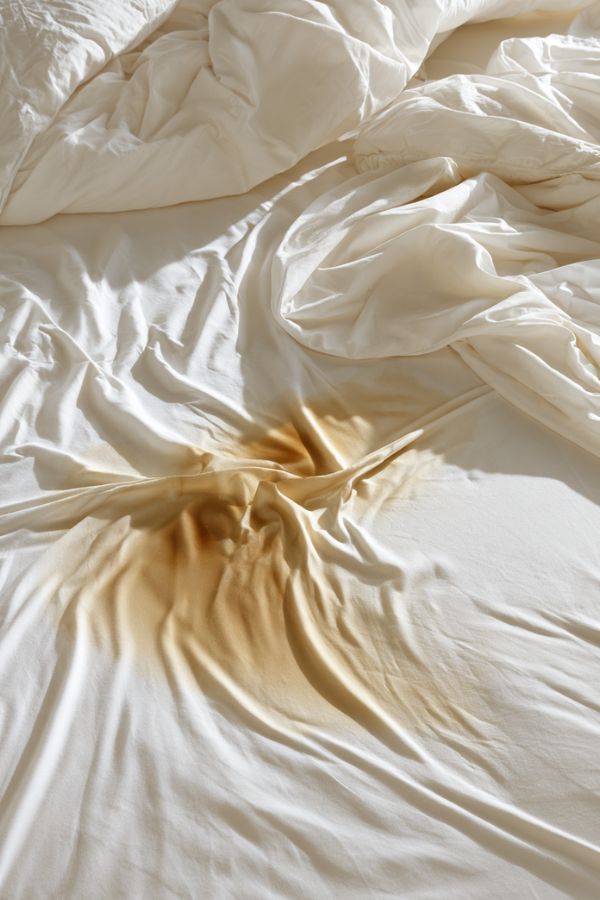
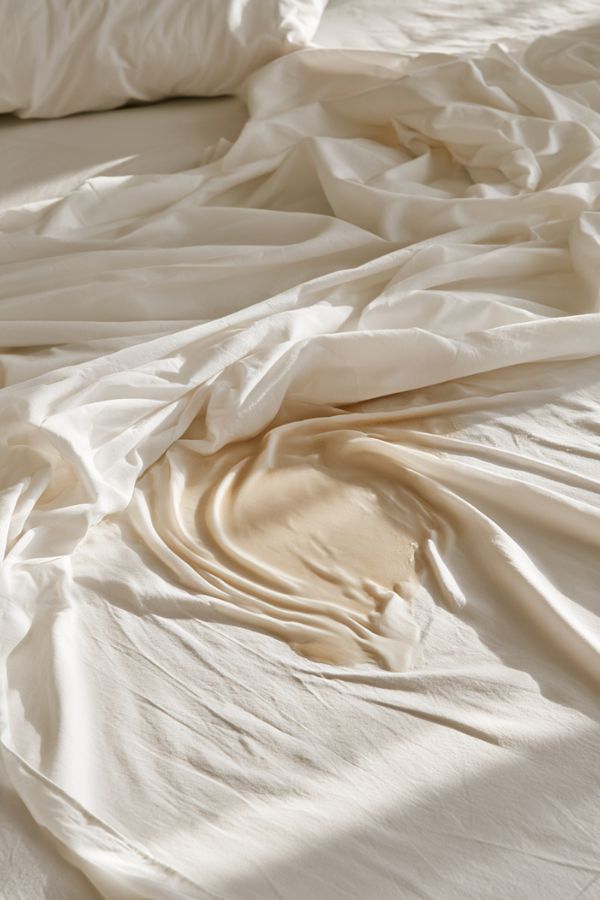
When you find a faint yellow mattress stain under white cotton sheets, act fast. First, lift off the sheets and any rumpled duvet. If the bedding is wet, carry it to the washer right away so the smell does not set. Keep a spray bottle and a bowl of baking soda nearby on the nightstand so you can work in one spot.
Blot the mattress with a clean towel. Press down and lift up, do not rub. Mix a simple spray: 1 cup cool water, 1/2 cup white vinegar, and a few drops of mild dish soap. Lightly mist the stain so it is damp, not soaked. Blot again, then cover the area with baking soda. Let it sit at least 6 hours, or overnight if you can. Vacuum the powder well in the morning. If the smell stays, use an enzyme cleaner made for urine and follow the label.
For the sheets, rinse the stained spot with cold water from the back side of the fabric. Wash on a cool or warm cycle with your usual detergent. Add 1/2 cup baking soda to the wash, or add 1 cup vinegar to the rinse. Air dry if possible so heat does not lock in odor. Once everything is clean, remake the bed with fresh linens and keep clutter like a charging cable off the edge so cleaning is easier next time.
- Remove sheets fast and wash with cool water first.
- Blot the mattress; do not scrub the fibers.
- Lightly spray vinegar mix, then blot again.
- Cover with baking soda, wait, then vacuum.
- Finish by drying with a fan and opening sheer curtains.
Pro Design Tip: Use a washable mattress protector under your white cotton sheets and keep a small lidded basket on the wooden nightstand for spray and cloths so the room still looks tidy.
Budget Considerations: Baking soda and vinegar cost little and work well for fresh stains; save enzyme cleaner for set-in odor so you only buy it when needed.


2. Clean Fresh Pet Pee Stains on a Beige Wool Rug

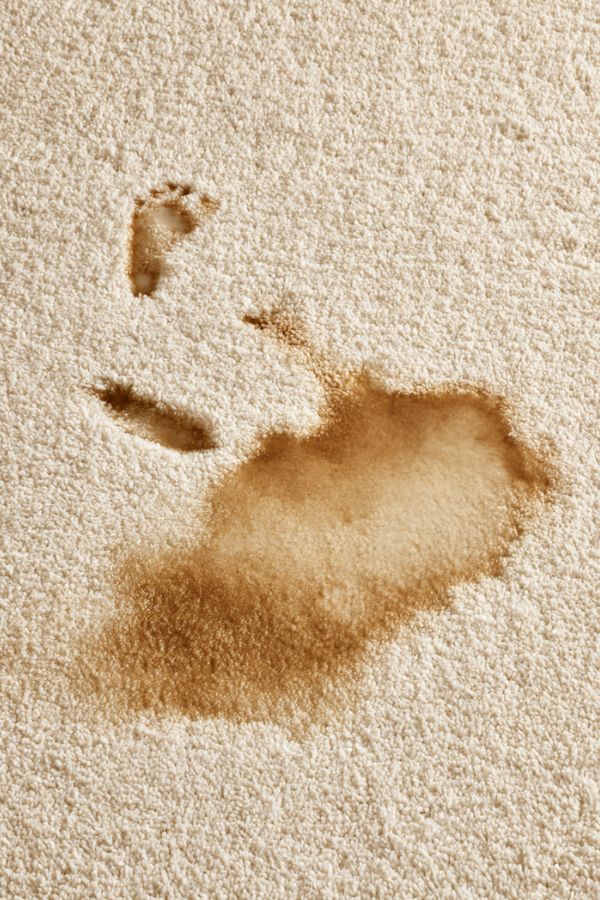
Wool rugs need a gentle touch. If you see a fresh pet pee stain on a beige wool rug, start by blotting right away with a folded towel. Kneel close so you can press straight down. Change to a dry part of the towel often. Avoid hot water and avoid soaking the rug, since wool can shrink and hold odor.
After blotting, use a wool-safe cleaner or a mild mix: 1 cup cool water with a small drop of gentle soap. Dampen a cloth, then dab the spot from the outside in. Blot with a dry towel. If odor remains, use an enzyme cleaner that says it is safe for wool, and test it in a hidden corner first. Keep the wicker toy basket and coffee mug off the rug while it dries so air can move. A leafy plant can cast shadows that hide dampness, so check the rug in bright window glow to be sure the spot is fully dry.
To finish, fluff the fibers with your fingers once the rug is dry. If you have a relaxed weekend living room setup, place a small tray on the side table to keep drinks from tipping during playtime. For style, a small neutral throw on the sofa and a simple basket system for toys helps the room feel calm even when pets are active. If your dog has repeat accidents, place a washable mat near the favorite spot until training improves.
- Blot with a towel until no more liquid lifts.
- Use cool water and a tiny amount of gentle soap.
- Dab, then blot dry, do not rub the wool.
- Test enzyme cleaner in a hidden area first.
- Let the rug dry flat with good airflow.
Pro Design Tip: Place the rug so its main traffic path stays clear of the pet’s water bowl, and use a small washable runner near the bowl to protect the wool.
Budget Considerations: If a wool-safe enzyme cleaner feels pricey, start with careful blotting and a mild soap solution, then spot-treat only if odor remains.
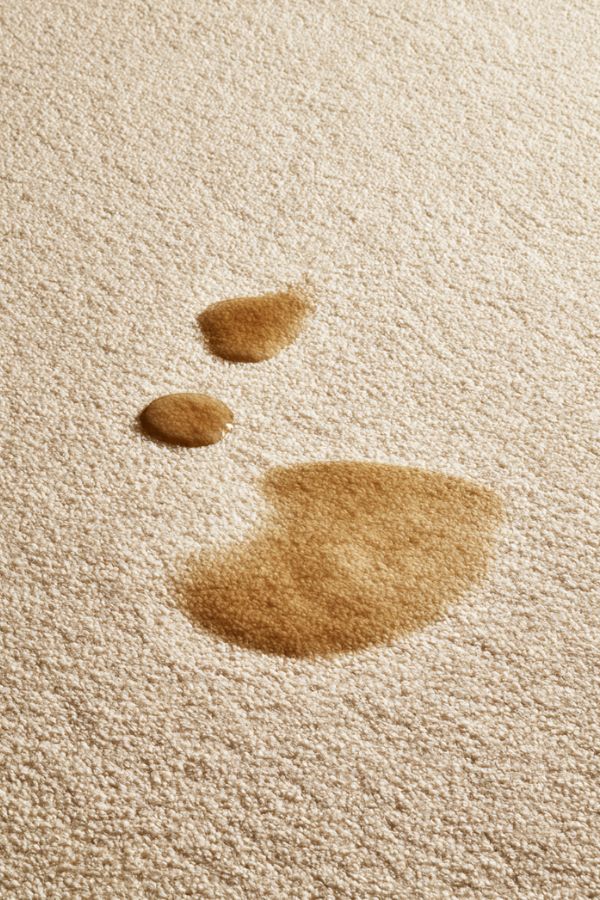
3. Clean Pee Stains from Carpet in a Small Apartment Bedroom
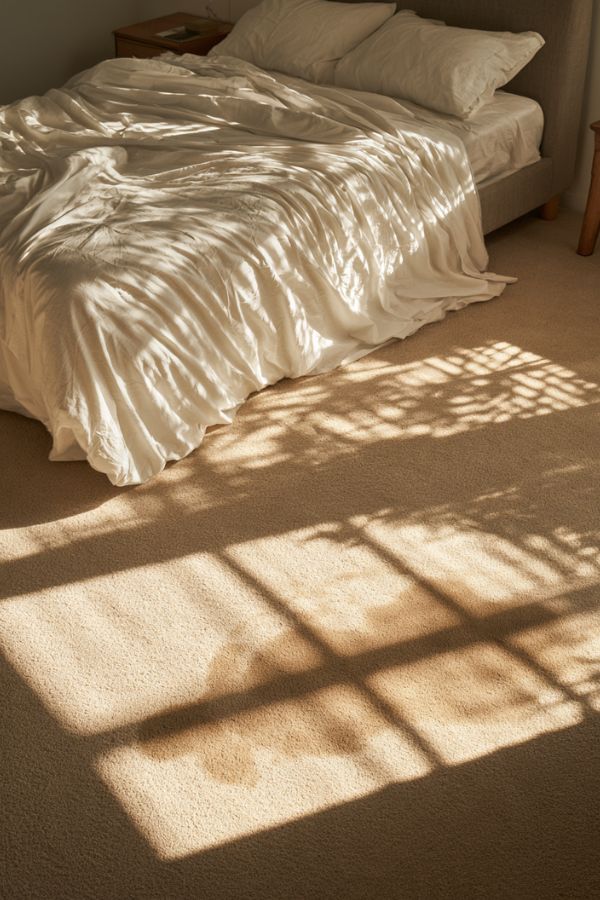
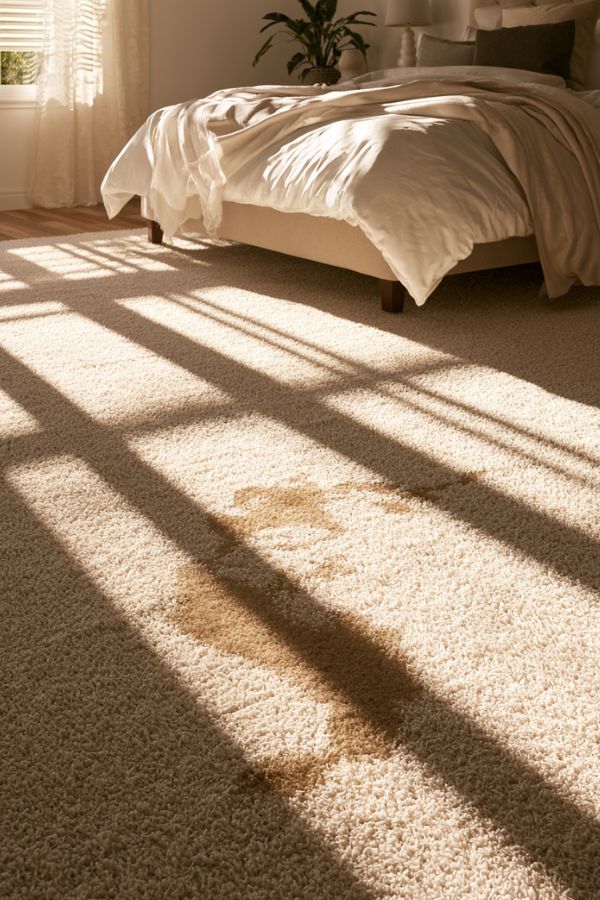
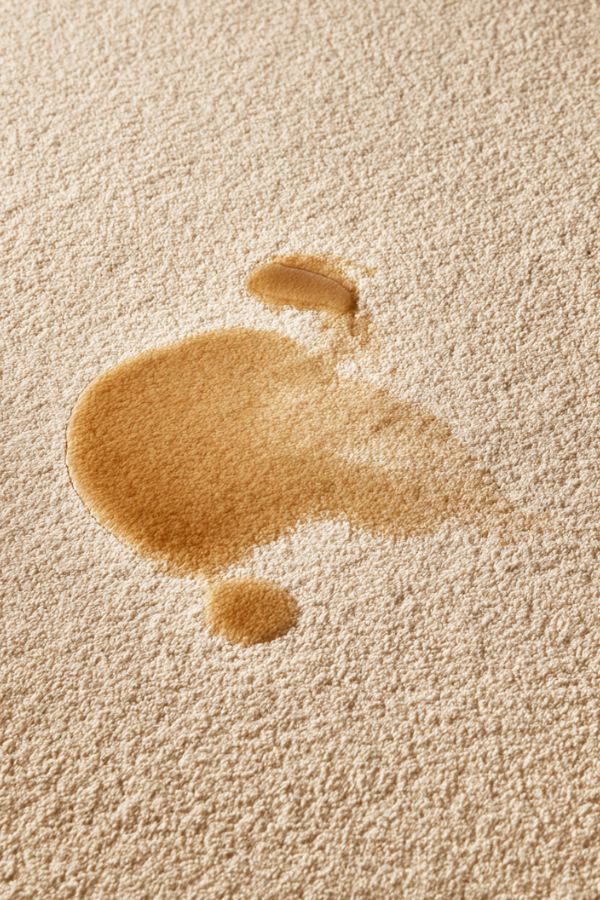
Carpet stains can linger because the liquid sinks down. In a small studio apartment bedroom, you may only have one spot to work, so keep it simple. Start by blotting the faint carpet stain with a clean towel. If it is already dry, lightly dampen it with cool water first, then blot again. The goal is to lift what is in the fibers without spreading it.
Next, sprinkle baking soda over the stain. Let it sit for several hours so it can absorb odor. Vacuum slowly and in two directions. If the smell is still there, use an enzyme cleaner made for carpets. Apply it based on the label and give it time to work. Do not over-wet the carpet, especially near a simple bed frame where moisture can get trapped. If you have a wrinkled knit throw on the bed, move it away so it does not touch the damp area. Open a window for pale morning sunlight and run a fan to speed drying.
Once the carpet is dry, brush the fibers lightly with a clean, dry cloth to help them stand up again. If you keep a glass of water and an open book face down on the bedside table, move them while you clean so you do not spill. For a small style reset, add a small bedside tray to hold water, and tuck cleaning supplies into a bin under the bed. A simple room feels calmer when the floor is clear, and the carpet looks even.
- Blot first, then re-wet lightly if the spot is dry.
- Use baking soda to absorb odor before deeper cleaning.
- Vacuum slowly to pull powder from carpet fibers.
- Use enzyme cleaner for set-in smell; follow directions.
- Dry fast with a fan and open window light.
Pro Design Tip: Choose a low-pile rug or washable area rug over carpet in high-risk zones near pets, so the main floor stays easier to maintain.
Budget Considerations: Baking soda and a basic fan can handle many spots; rent a carpet cleaner only if you have repeated stains across a large area.
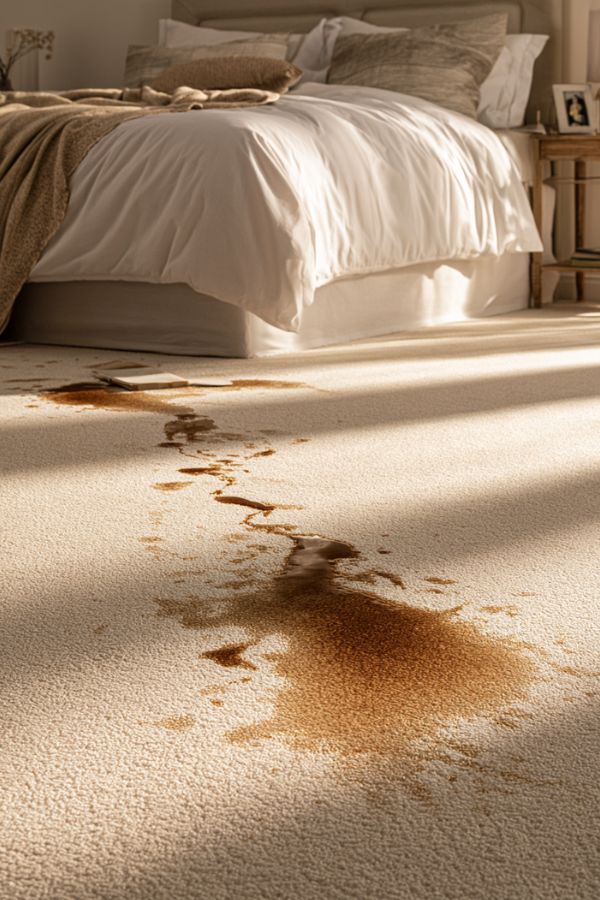

4. Clean Pee Stains on Toddler Pajamas and Kids’ Laundry
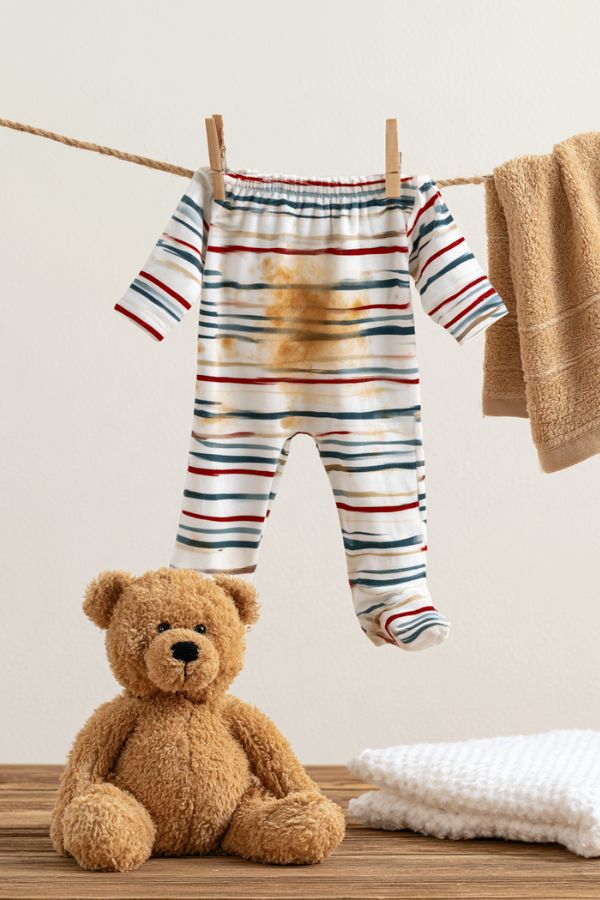
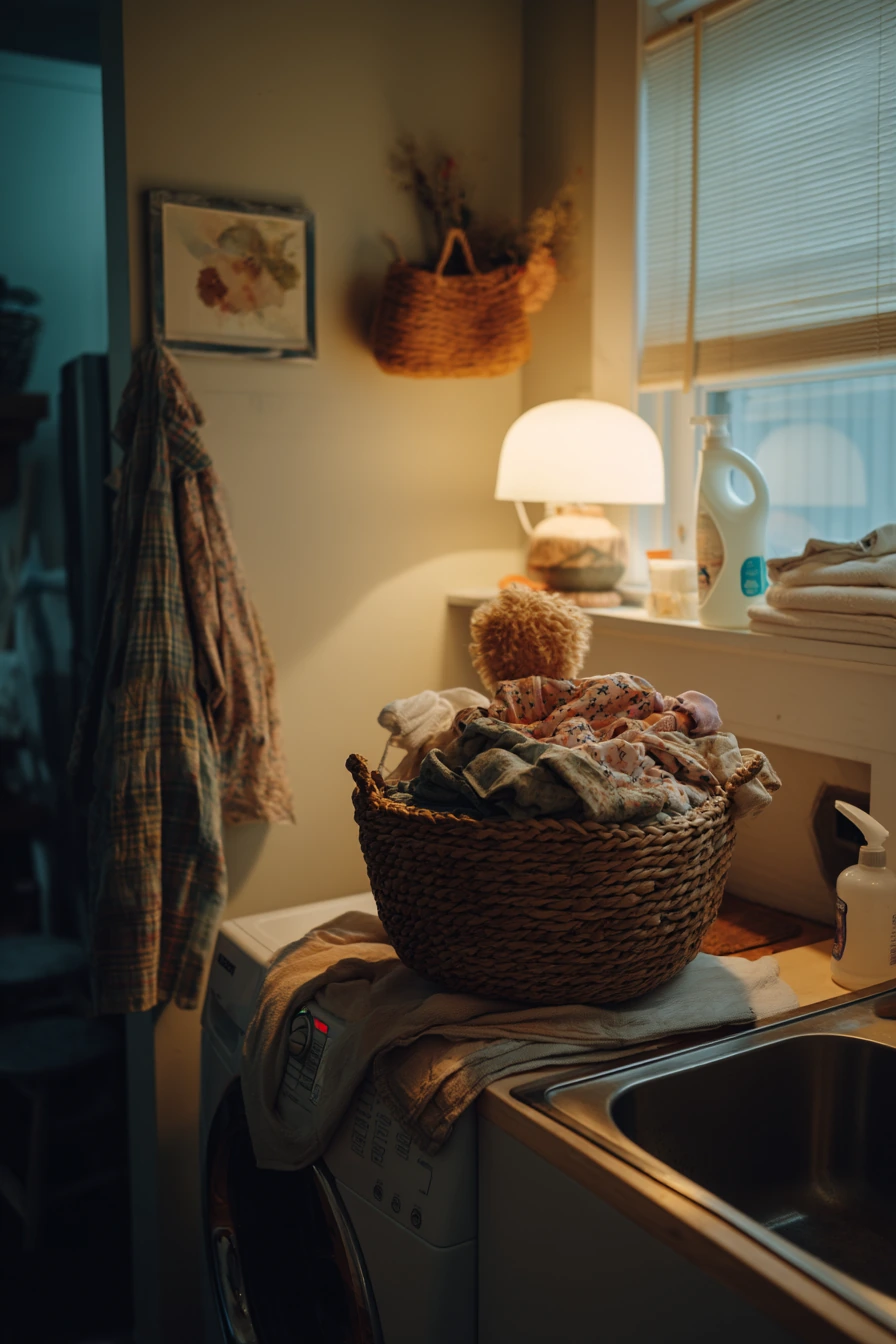
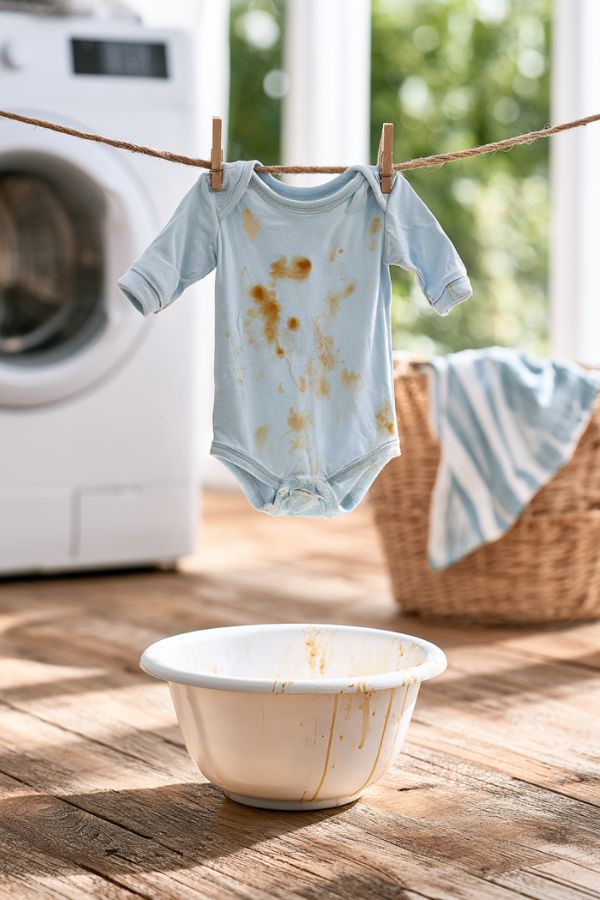
Toddler pajamas often get stains that sit too long, so pre-treating matters. In a small laundry nook with a metal sink, rinse the fabric under cool running water as soon as you can. Hold the stained area so water flows through it, pushing urine out of the fibers. Wring gently and keep the rest of the load dry until you are ready to wash.
Use an enzyme cleaner for urine on the stained spot. Spray or pour a small amount and let it soak for 10 to 15 minutes. If you do not have enzyme cleaner, rub in a small amount of liquid laundry detergent and let it sit. Then wash in warm water if the care label allows. Avoid high heat in the dryer until you are sure the odor is gone. If smell remains, air dry and wash again. Keep a woven basket for dirty clothes and a separate one for clean clothes so wet items do not touch folded towels on the counter.
For a calmer routine, stock one shelf with the basics: enzyme spray, stain brush, and measuring cup. A washer covered in magnets can still look neat if you limit it to a small row. For style, fold towels in the same direction and use one lidded container for pods and clothespins. This makes the laundry nook feel orderly, even when you are handling messy kid clothes. If accidents are frequent, keep two extra pairs of pajamas ready, so you are not forced to rush a drying cycle.
- Rinse the stain with cool water as soon as possible.
- Pre-treat with enzyme cleaner; wait before washing.
- Wash based on the care label; usually, warm is fine.
- Skip high heat until odor is fully gone.
- Separate wet items so clean laundry stays fresh.
Pro Design Tip: Set up a small “stain station” by the sink with a tray and two cloths so you can treat pajamas fast without cluttering the counter.
Budget Considerations: Enzyme cleaners last longer when you use them only for urine stains; for light marks, detergent pre-treating can work well.

5. Clean Pee Stains on a Light Linen Sofa Cushion
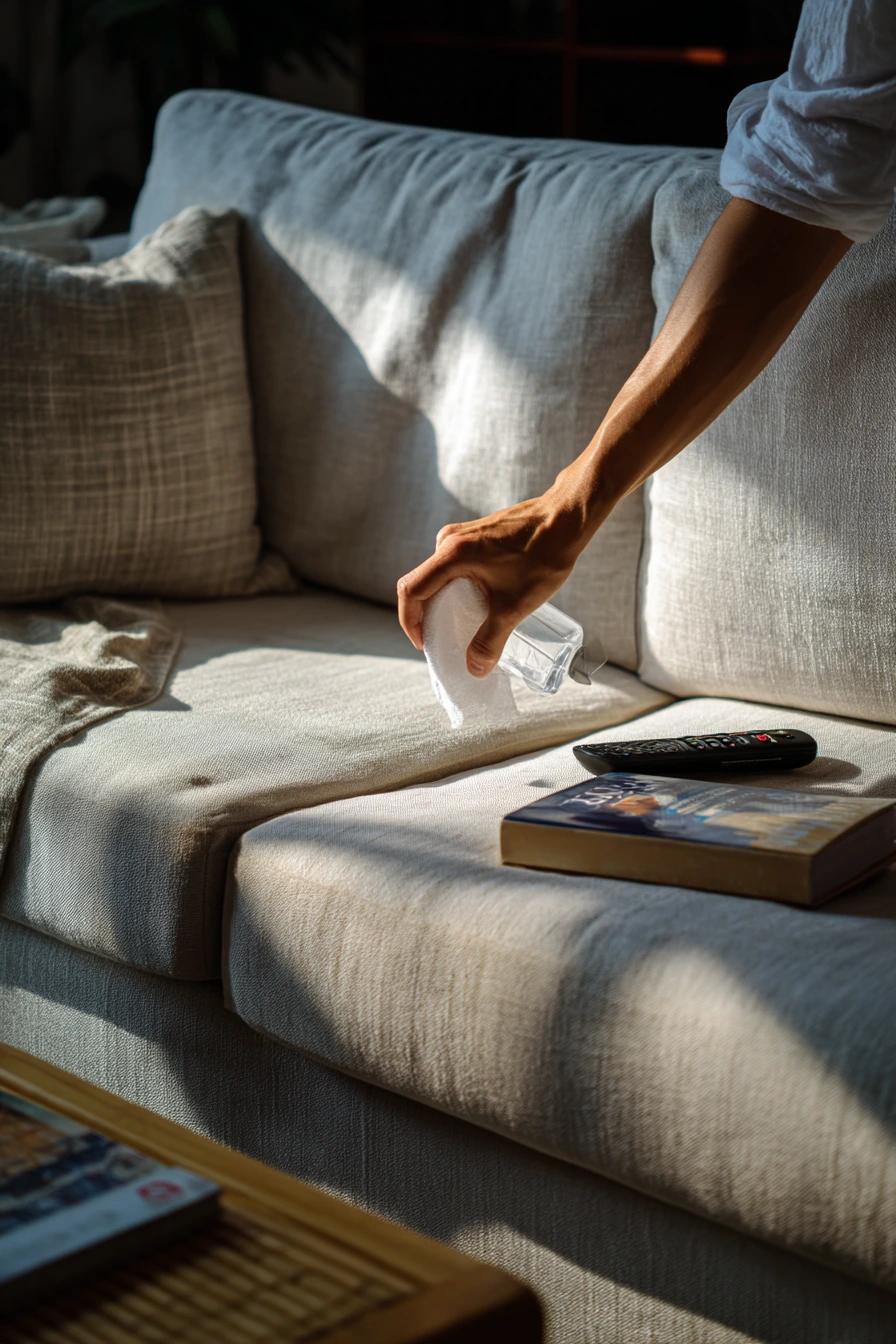

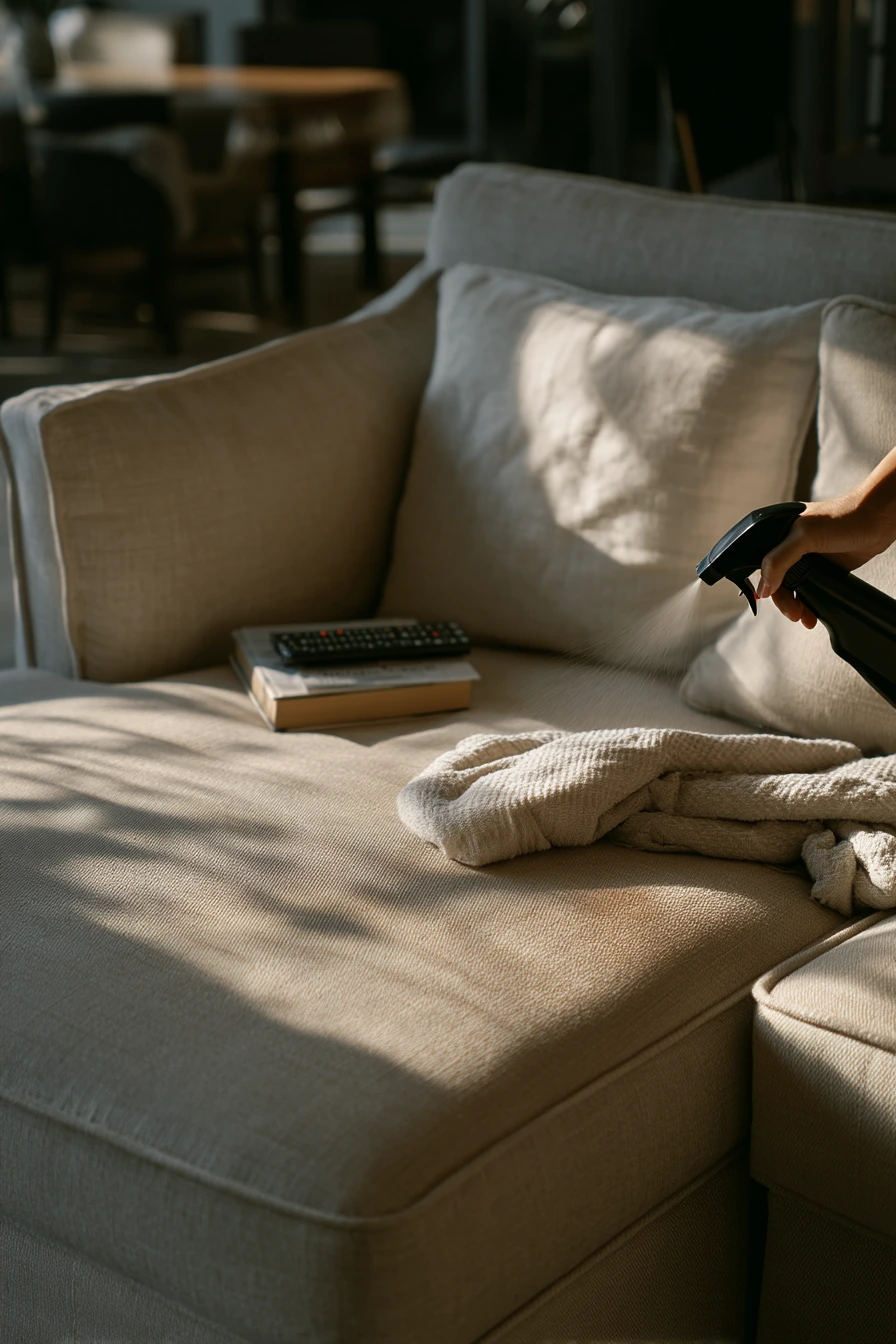
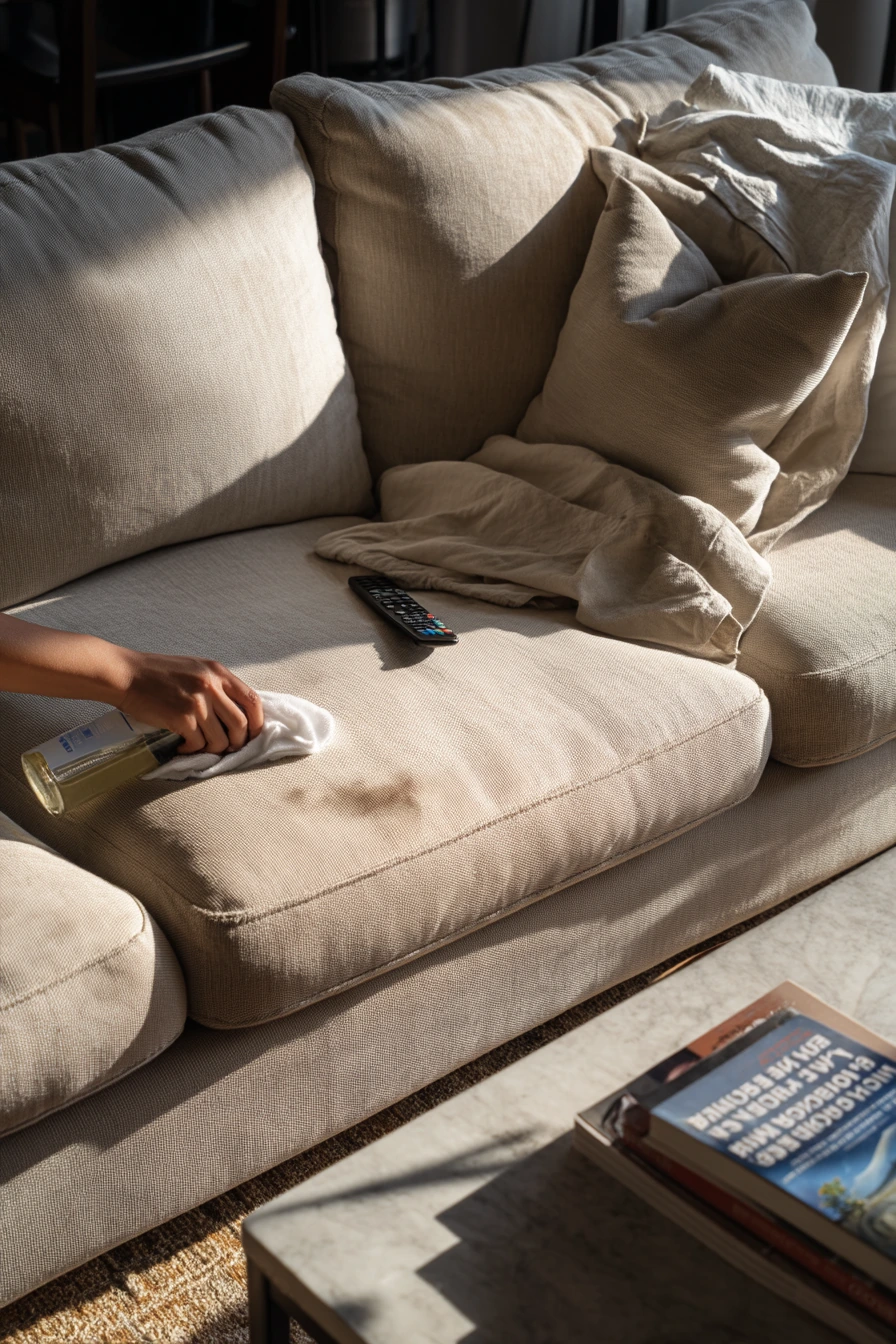
A light linen sofa cushion shows marks quickly, but linen can clean up well if you do not over-wet it. Start by removing the cushion cover if it is removable and washable. If it is not, blot the area on the cushion with a dry towel. Keep dabbing until the towel stops picking up moisture. Do not scrub, since that can rough up the texture.
Make a vinegar solution: 1 cup cool water and 1/2 cup white vinegar. Lightly dab it onto the stain with a clean cloth. You can also use a spray bottle, but aim for a light mist, not a soak. Blot again with a dry towel. Sprinkle a thin layer of baking soda over the damp spot to help with odor. Let it sit for several hours, then vacuum using an upholstery attachment. If the stain is old or the smell stays, use an upholstery-safe enzyme cleaner and test it on a hidden seam first.
While it dries, keep the couch slightly rumpled but uncovered so air can move. Move the TV remote and paperback off the armrest so they stay clean. For a simple style fix, fold a throw blanket and place it on the opposite side of the cushion you cleaned, so the seating area looks balanced while one spot dries. Afternoon sunlight helps, but do not place linen in harsh direct sun for too long, since it can fade. If pets use the sofa, add a washable throw as a daily cover.
- Blot first and avoid rubbing the linen weave.
- Dab a light vinegar solution, then blot dry.
- Use baking soda to reduce odor, then vacuum.
- Test enzyme cleaner on a hidden spot if needed.
- Dry with airflow before putting covers back on.
Pro Design Tip: Use a fitted sofa cover or a washable throw in a matching neutral tone to protect light linen without changing the room’s airy look.
Budget Considerations: A spray bottle, vinegar, and baking soda handle many cushion stains; replace only the cushion cover if the insert is still fresh.
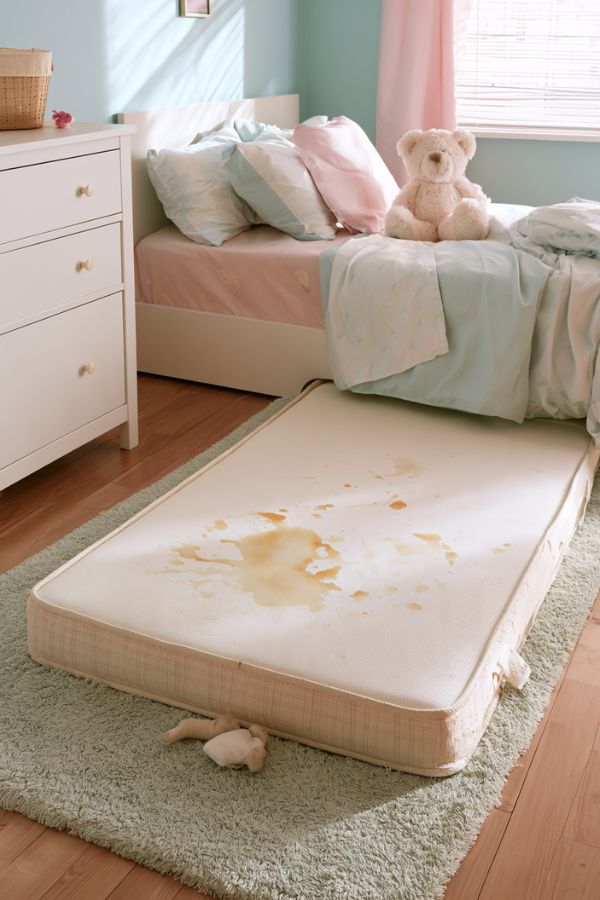
6. Clean Pee Stains on a Child’s Mattress in a Pastel Bedroom
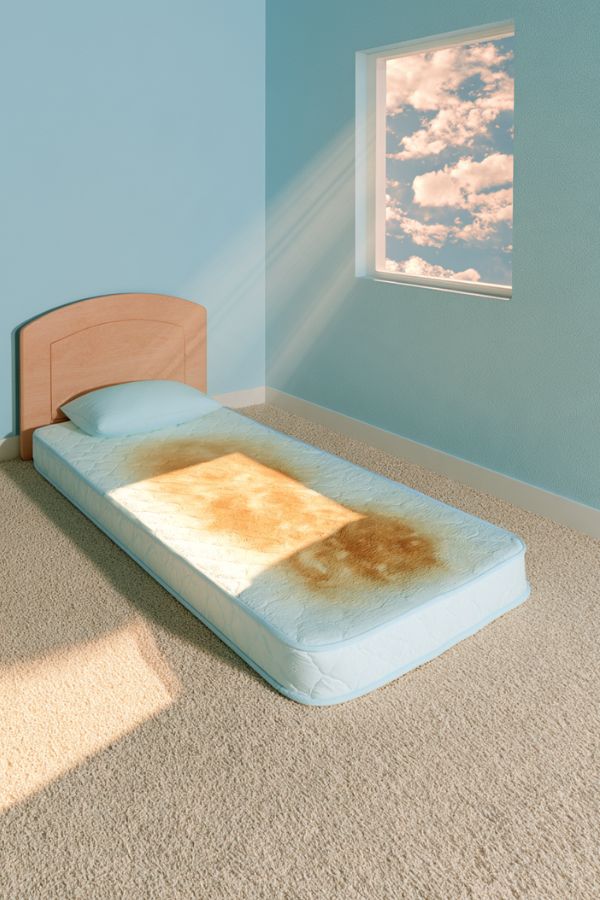

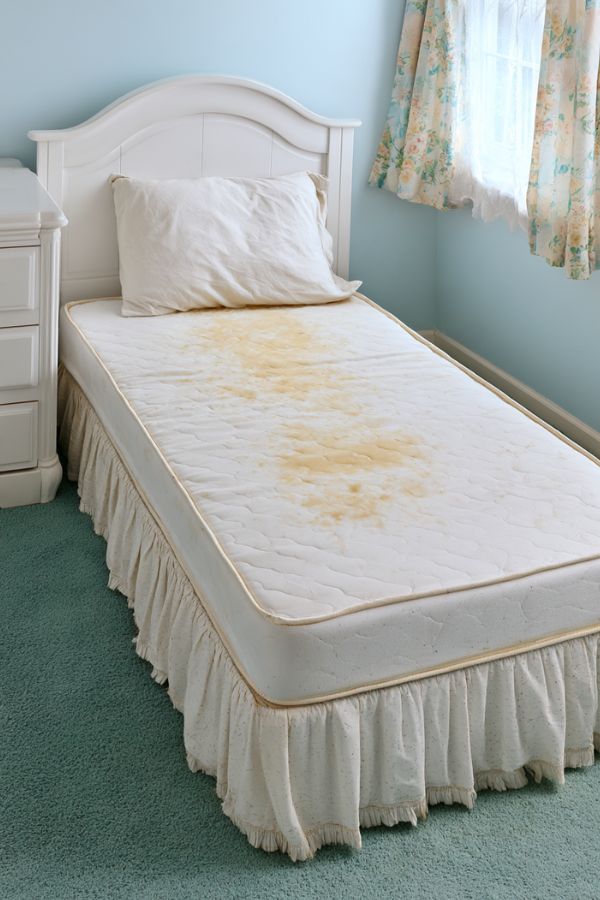
In a child’s pastel bedroom, a small mattress stain can happen during naps or bedtime. Start by stripping the bed and moving stuffed animals away from the headboard so they do not pick up moisture. Blot the stain with a clean towel. Press and lift until the towel is mostly dry. If the area is already dry, lightly dampen it with cool water first to help lift residue.
Use an enzyme cleaner made for urine, since kids’ mattress stains often include odor that comes back later. Spray a light layer and let it sit for the time on the label. Blot again. If you do not have enzyme cleaner, dab a vinegar and water mix (1:1), then blot. Cover the spot with baking soda and leave it for 6 to 10 hours. Vacuum well. To dry, point a fan at the mattress and open a window for tender morning light. A nightlight glowing on a dresser is fine, but avoid heat sources close to the damp area.
After cleaning, remake the bed with a waterproof mattress protector under the sheets. Keep a toy basket in the corner but leave a small gap so air can move and dust is easier to sweep. For styling, line up a few favorite stuffed animals in a simple row and store the rest in a bin. A colorful storybook can stay open on the bed for a cozy look, but move it while the mattress dries so pages do not curl. If accidents repeat, keep a spare set of sheets folded in the closet for fast changes.
- Remove bedding and keep plush toys away from damp fabric.
- Blot the mattress until it feels only slightly damp.
- Use enzyme cleaner to stop odor from returning.
- Apply baking soda, wait, then vacuum slowly.
- Dry with a fan and open a window for airflow.
Pro Design Tip: Choose a mattress protector with a soft top layer so it stays comfortable, and pair it with pastel sheets to keep the bedroom look gentle and calm.
Budget Considerations: A basic waterproof protector costs less than replacing a mattress; keep one spare so you can rotate during wash days.
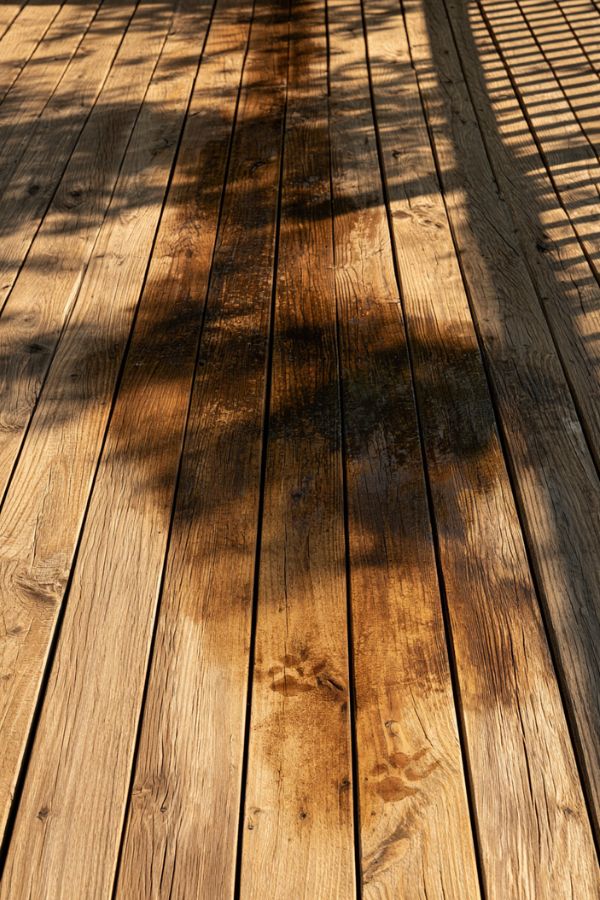
7. Clean Pee Stains on Hardwood and Oak Floorboards

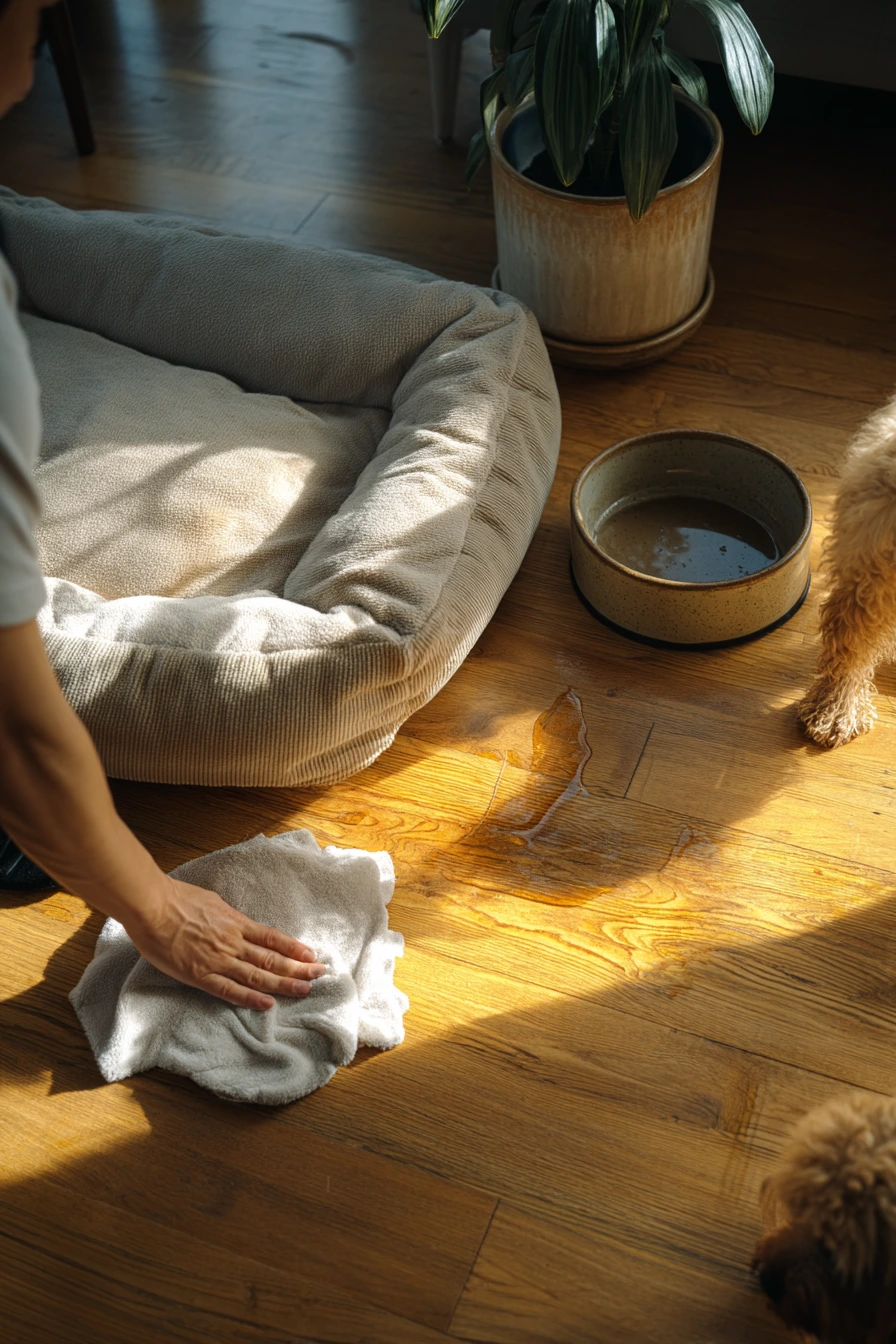
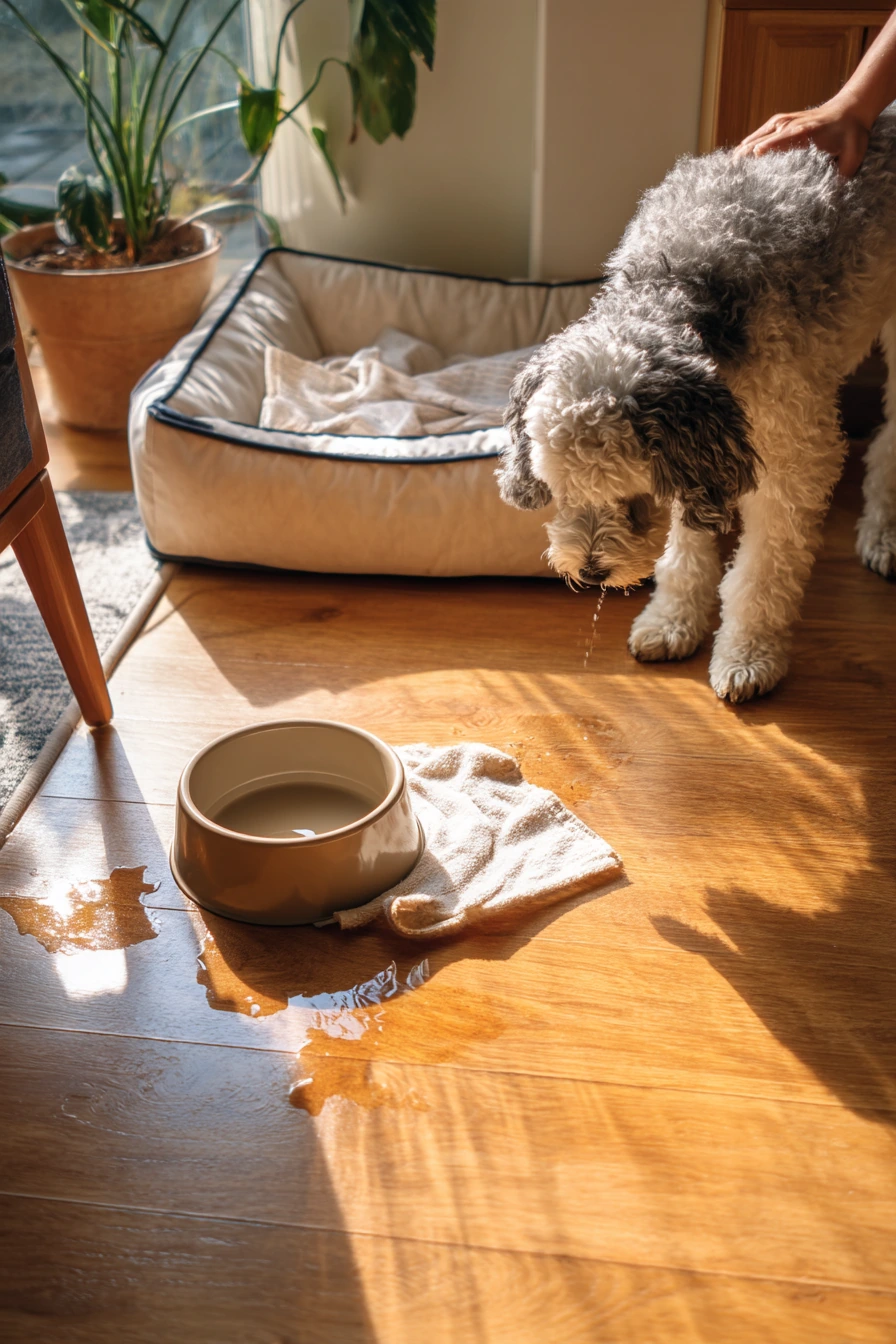
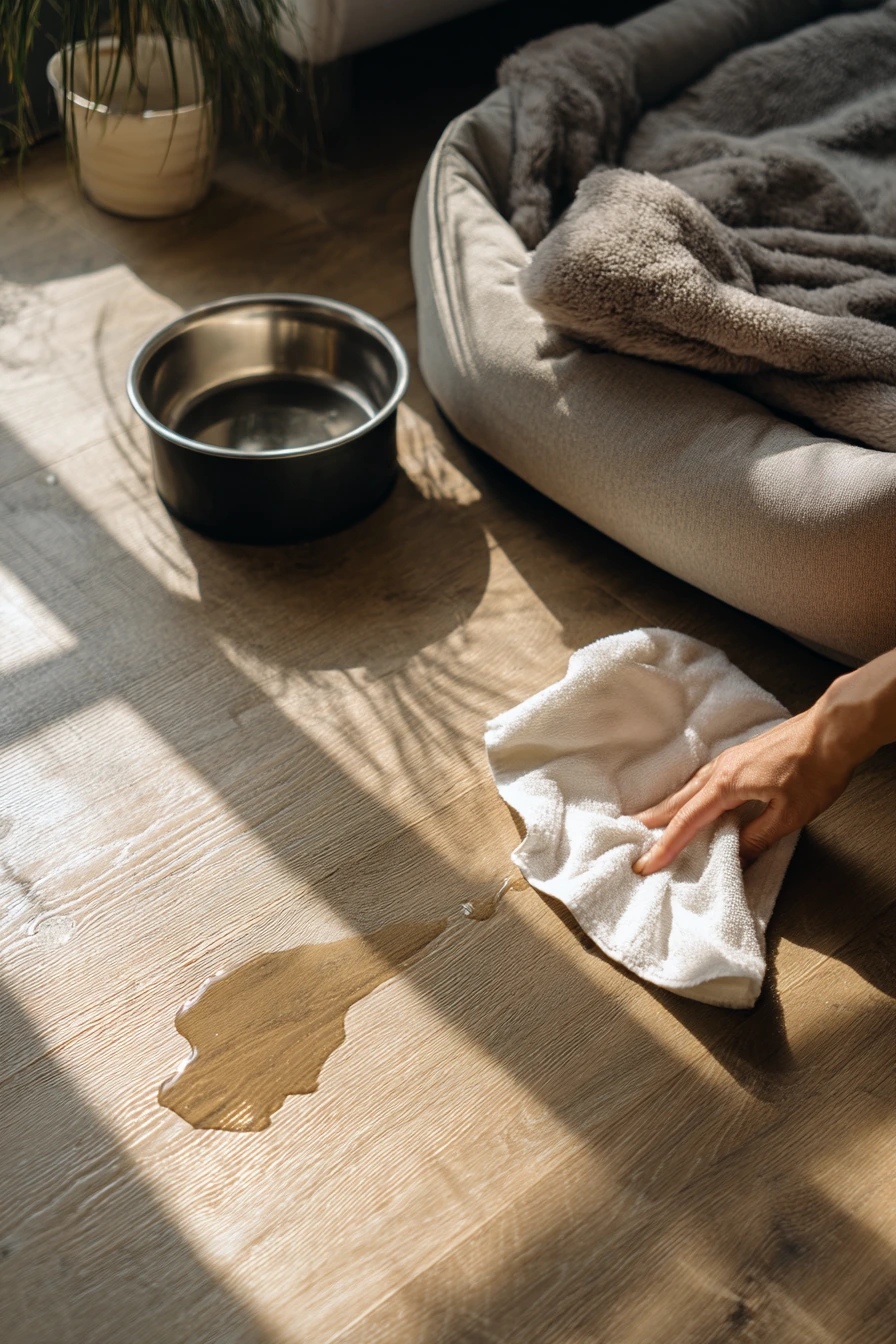
On warm oak floorboards, urine can seep into seams if it sits. Start by wiping the puddle right away with a microfiber cloth. Press down and pull the liquid toward you, then switch to a dry section of the cloth. Do not push the liquid across the boards. If you have a nearby dog bed and a ceramic water bowl by the wall, move them so the area is fully clear.
Next, clean the spot with a wood-safe solution. Mix a small amount of gentle dish soap into cool water, dampen a cloth, and wipe. Follow with a clean, damp cloth to remove soap, then dry with a towel. For odor, lightly wipe with a 1:4 vinegar and water mix, then dry right away. Do not leave vinegar sitting on the finish. If the stain is dark or the smell remains, use a hardwood enzyme cleaner made for pet urine, and follow the product instructions closely. Open blinds so gentle afternoon sun streaks help you spot any leftover shine or dull patches.
When the floor is dry, check for any raised grain. If needed, buff lightly with a soft cloth and a small amount of wood floor polish that matches your finish. For style, place a washable mat under the water bowl to catch splashes and help prevent accidents in that area. Keep plant shadows from hiding wet spots by using a simple tray under the plant pot. A modern living room looks cleaner when the floor is clear, and the pet zone has its own small area.
- Wipe up fast with microfiber and change cloth sections often.
- Use a damp, not wet, cloth to protect wood seams.
- Rinse away soap with a clean, damp wipe.
- Address odor with a light vinegar mix or wood-safe enzyme cleaner.
- Dry fully, then buff if the finish looks uneven.
Pro Design Tip: Create a defined pet corner with a mat, bed, and bowl in one spot so the rest of the oak floor stays open and easy to clean.
Budget Considerations: Skip specialty products for a one-time accident and start with gentle soap and fast drying; buy a wood-safe enzyme cleaner if odor keeps coming back.
8. Clean Pee Stains from Bathroom Tile Grout

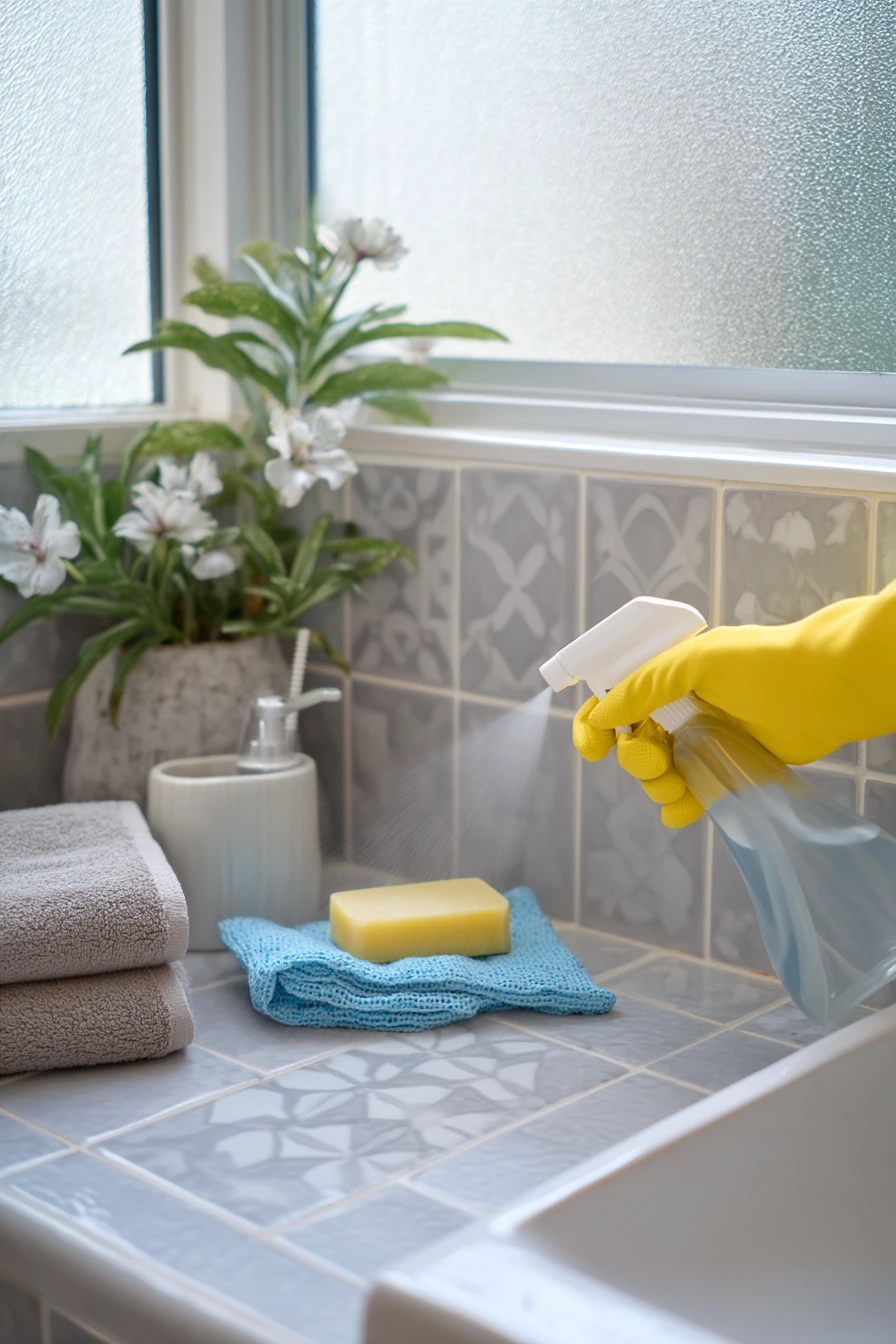
Bathroom tile is easy to wipe, but grout can hold odor and color. Put on rubber gloves and start by blotting or wiping up any moisture. Then spray a cleaning solution onto the grout line, not just the tile surface. Let it sit for a few minutes so it can break down residue. Keep a folded towel stack nearby so you can dry the area as you work.
For a simple cleaner, use hydrogen peroxide (3%) for light grout stains, or a paste of baking soda and water. Apply the paste to the grout and scrub with an old toothbrush. Rinse with clean water and wipe dry. If the smell is strong, use an enzyme cleaner that is safe for bathroom surfaces and follow the label. Avoid mixing bleach with other cleaners, and do not combine vinegar with peroxide in the same container. With crisp daylight from a frosted window, you can see if any grout lines still look darker.
Once clean, keep the bathroom feeling fresh by drying the floor after baths and using a small plant by the mirror for a clean look without clutter. Store extra cleaners under the sink and keep the counter clear with a simple toothbrush cup. For styling, choose towels in one color so the space looks calm even when you have cleaning items out. If this is a repeat issue, add a small washable bath mat near the problem area and wash it often.
- Spray cleaner directly on grout and let it sit briefly.
- Scrub grout with a toothbrush using baking soda paste.
- Rinse well and wipe dry to prevent residue.
- Use enzyme cleaner for lingering urine odor.
- Keep grout drier after showers to avoid future stains.
Pro Design Tip: After the grout is clean and dry, apply a grout sealer so future messes stay on the surface longer and wipe up faster.
Budget Considerations: Baking soda and peroxide are low-cost grout helpers; a small bottle of grout sealer is an extra step but can reduce future deep cleaning.
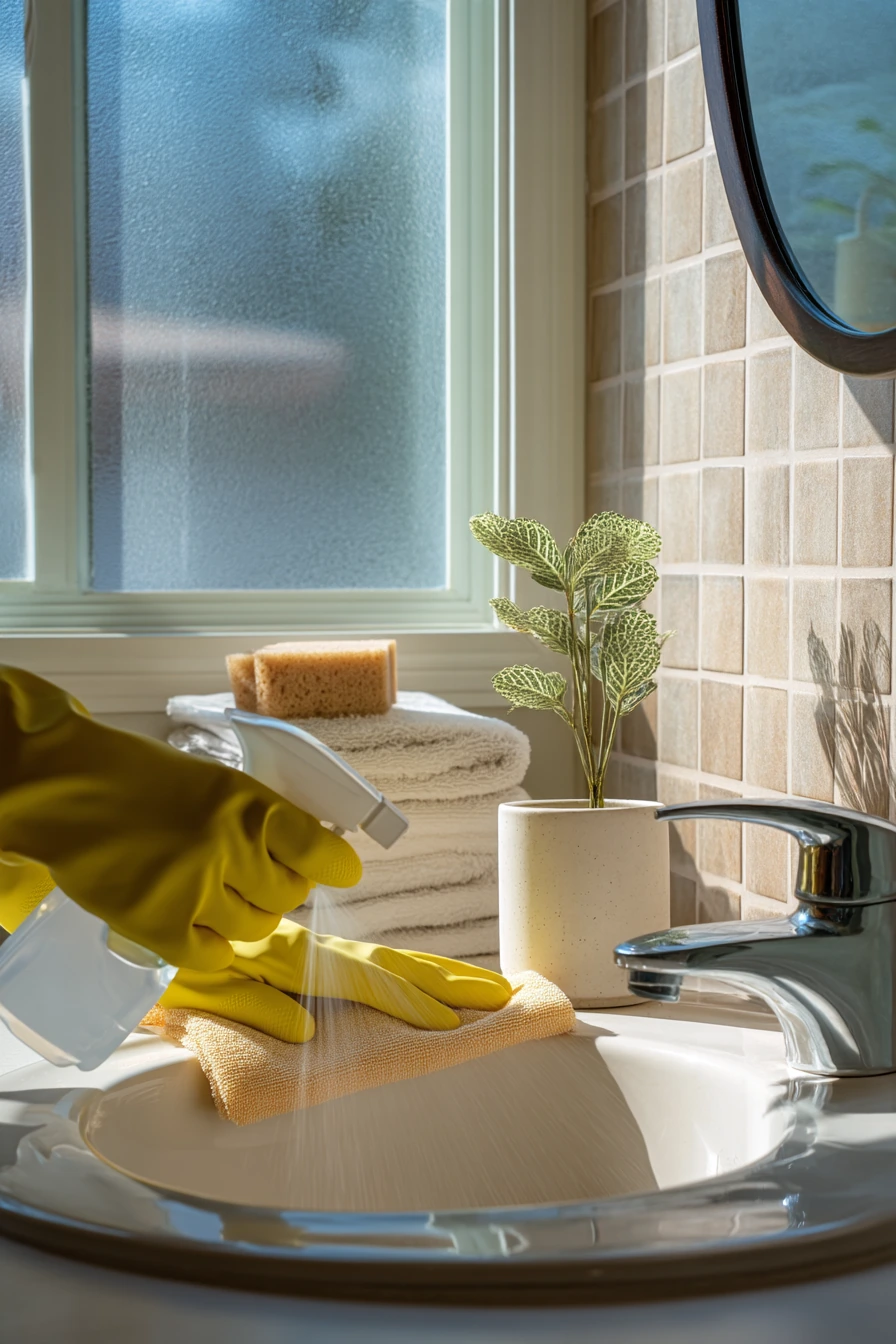

9. Clean Pee Stains on an Outdoor Wooden Porch Deck
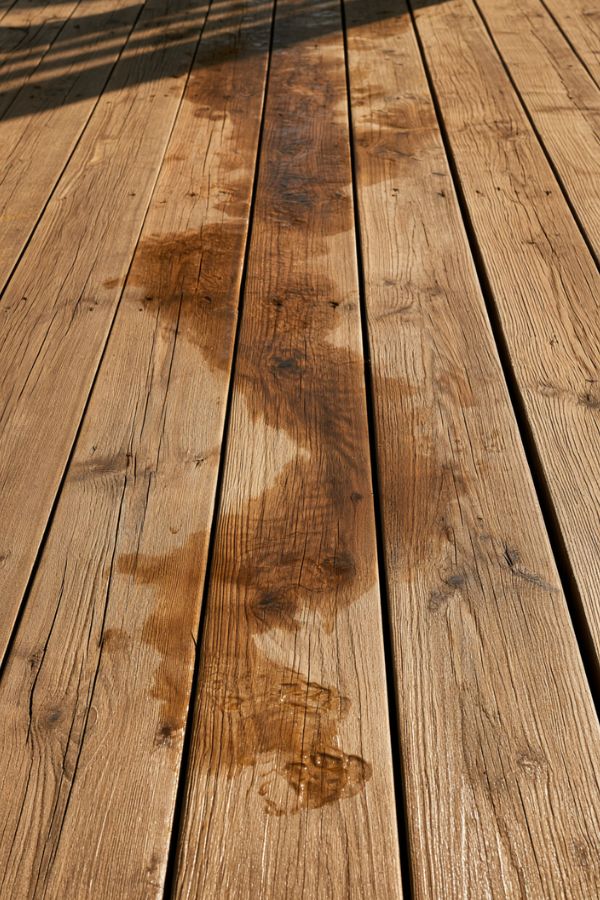
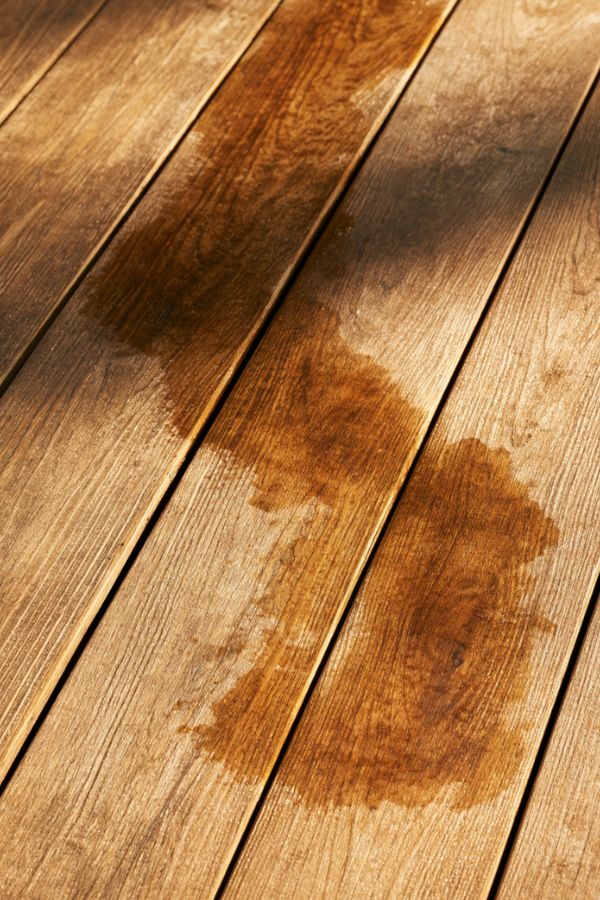
Outdoor wood can look fine at first, then show a stain as it dries. On a wooden porch deck, start by rinsing the area with clean water. Use a cloth to wipe up any remaining liquid. If you have sandals by the door and potted herbs nearby, move them so you can work freely and avoid splashing soil onto the deck.
For light stains, spray a mix of 2 cups of water and 1/2 cup vinegar onto the spot. Let it sit for 2 to 3 minutes, then scrub gently with a soft brush in the direction of the wood grain. Rinse well. For stronger odor, use an outdoor-safe enzyme cleaner made for pet urine, especially if the deck boards have gaps where liquid can seep. Do not use harsh pressure washing close up, since it can rough up the surface. Late afternoon golden sunlight can make wet patches look darker, so check again when the boards are fully dry.
To keep the porch feeling breezy and clean, store a small cleaning kit near the door: spray bottle, cloth, and a brush. Hang the dog leash on a hook so it is always in the same spot. For styling, group herbs in matching pots and add a simple doormat that can be hosed off. If your dog uses the same corner, place a washable outdoor rug there and clean it weekly. A neat porch setup makes quick wipe-downs easier and keeps odors from drifting inside.
- Rinse first to dilute and remove surface residue.
- Use a vinegar spray for light stains, then scrub with the grain.
- Rinse well so cleaner does not stay on the boards.
- Use an outdoor enzyme cleaner for deep odor in cracks.
- Let the deck dry fully before placing items back.
Pro Design Tip: Use a defined “pet entry” zone with a hose-safe mat near the door to catch messes before they reach the rest of the deck.
Budget Considerations: Vinegar and a basic scrub brush are affordable for most porch spots; enzyme cleaner is worth it if urine gets into board seams often.

10. Dry a Cleaned Mattress Fast and Prevent Odor Return
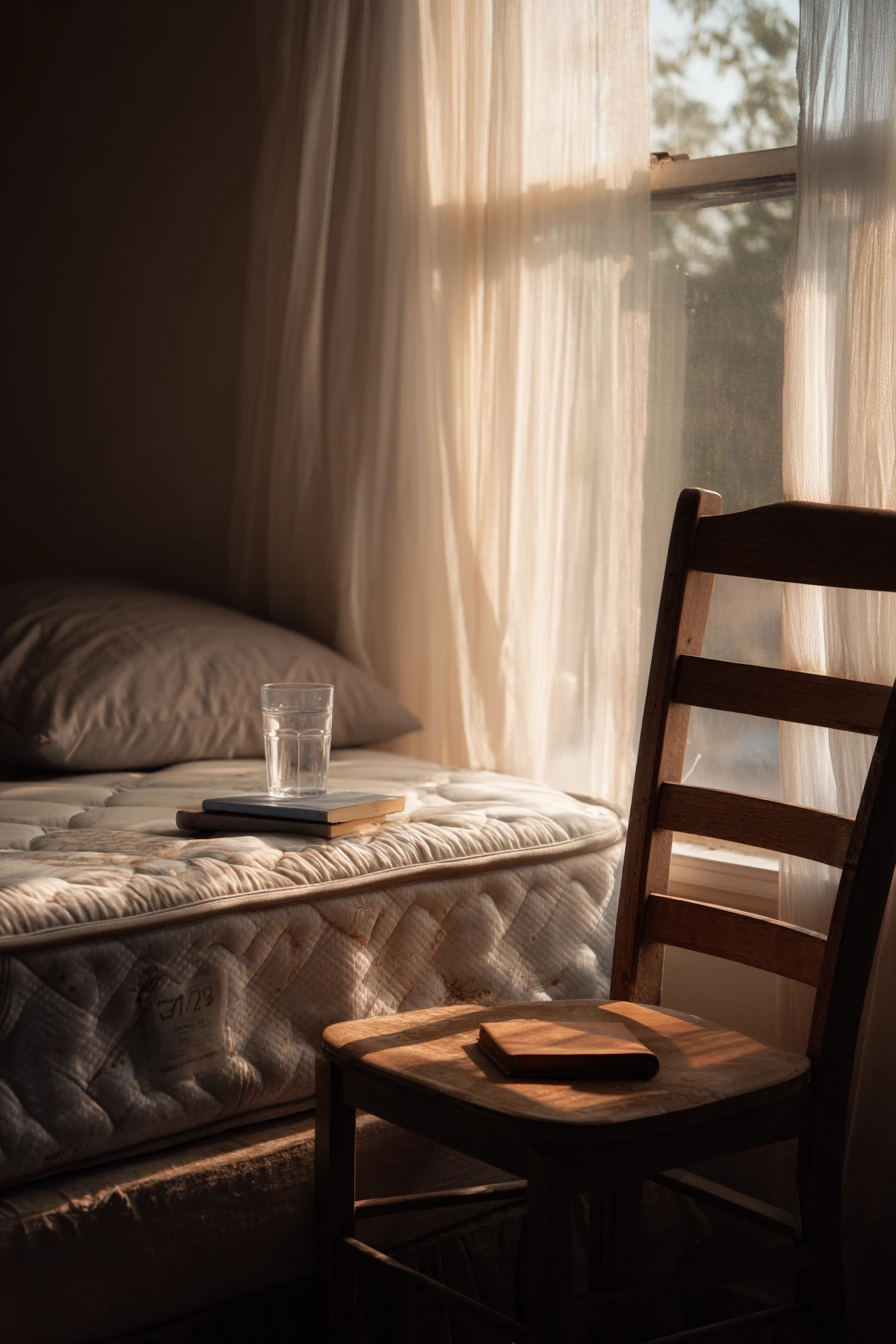
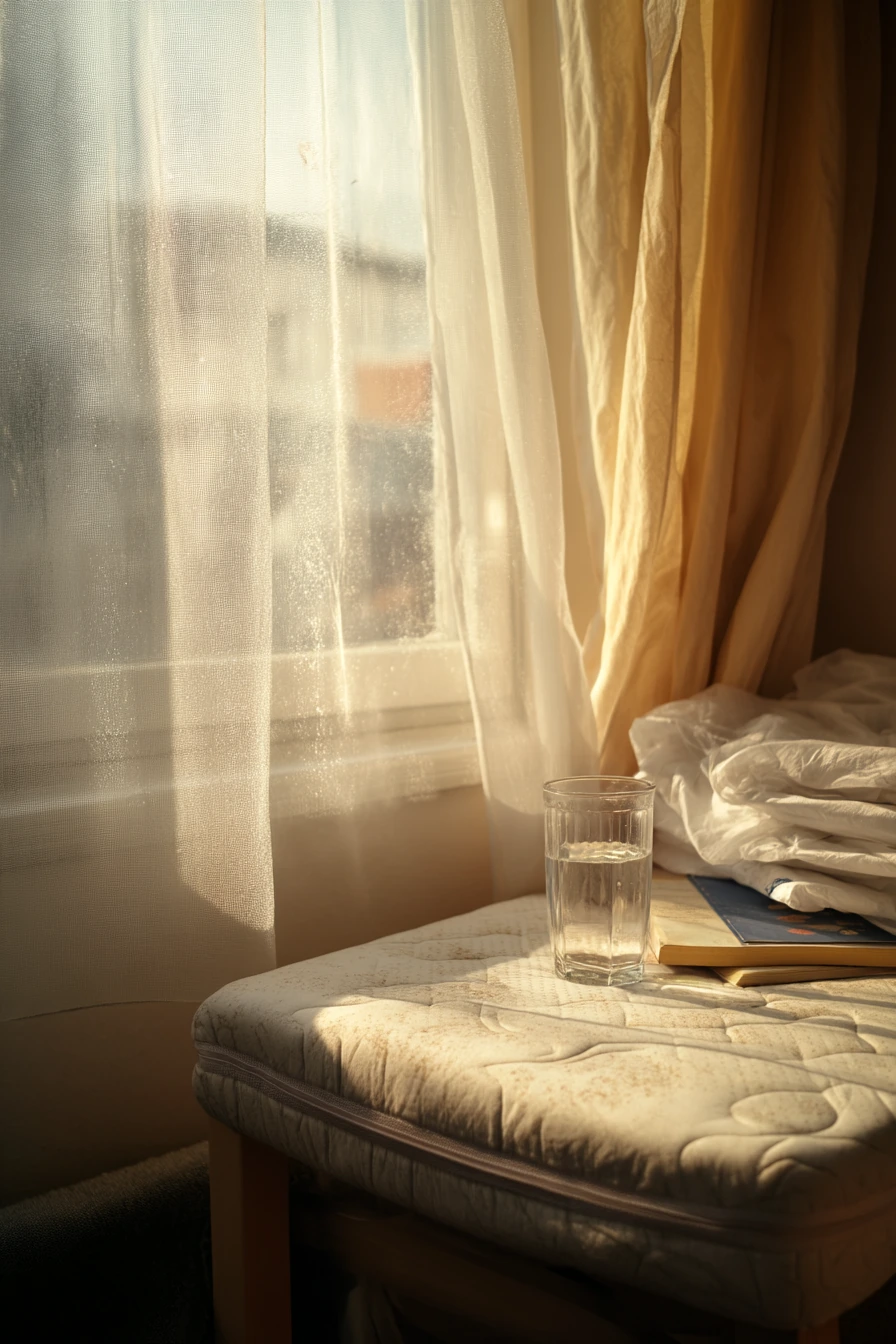
After cleaning, drying is the step that decides if the smell comes back. If you can, prop the mattress beside a sunny bedroom window so air hits both sides. A faint damp patch can take longer than you think, especially in thick foam. Keep rumpled sheets folded on a chair away from the mattress so moisture does not transfer back.
Use a fan pointed across the surface, not straight down into the mattress. Open sheer curtains to let warm daylight in, but avoid extreme heat. If you have a dehumidifier, run it in the room for a few hours. Check the mattress every hour or two by pressing a clean paper towel on the spot. If it comes up damp, keep drying. Do not put bedding back on too soon, and do not cover the area with plastic, since trapped moisture can cause a musty odor. If the room has a water glass and a paperback on the sill, move them so the window area stays clear for airflow.
Once dry, add protection so cleaning is easier next time. Use a waterproof protector, then a fitted sheet, then your regular top layers. Wash the protector on a schedule, not only after accidents. For a clean look, keep a small basket for linens in the closet and store a spare set of sheets there. This makes the whole bed reset fast and keeps the bedroom feeling calm. If odor returns after a day or two, it may mean the inside is still damp, so repeat drying and spot-treat with enzyme cleaner.
- Stand the mattress near a window so both sides can breathe.
- Run a fan and, if possible, a dehumidifier.
- Test dryness with a paper towel press check.
- Wait to remake the bed until the spot is fully dry.
- Add a waterproof protector to prevent future deep stains.
Pro Design Tip: Choose a smooth, quiet mattress protector and pair it with crisp sheets so the bed still looks inviting while staying protected.
Budget Considerations: A box fan and open window often dry a mattress well; a dehumidifier can be a higher cost, so borrow one if you only need it once.

Cleaning pee stains is easier when you match the method to the surface. Blot first, use the right cleaner, and focus on drying so odor does not return.
Keep a small kit with towels, a spray bottle, baking soda, and an enzyme cleaner. With a simple routine, your mattress, rugs, carpets, sofa, floors, tile grout, and porch deck can stay fresh and easy to maintain.
FAQ
1. What is the first thing to do when you find a pee stain? Blot with a clean towel to lift as much liquid as possible. Do not rub, because rubbing pushes it deeper.
2. Does vinegar remove urine smell? Vinegar can help reduce odor, especially on hard surfaces and fresh spots. Enzyme cleaner works best when odor keeps coming back.
3. Can I use baking soda on a mattress? Yes. After blotting and light cleaning, baking soda helps absorb moisture and smell. Vacuum it off after several hours.
4. What should I use on a wool rug? Use cool water and a wool-safe cleaner, and blot gently. Test enzyme products in a hidden area first to protect the fibers.
5. Why does the smell return after cleaning? The inside layer may still be damp, or residue may remain. Re-treat with enzyme cleaner and improve drying with a fan or dehumidifier.
6. Is it safe to mix cleaning products? Do not mix bleach with other cleaners. Also avoid combining vinegar and hydrogen peroxide together in the same bottle.
7. How do I prevent repeat stains? Use waterproof protectors, washable throws, and defined pet zones with mats. Quick cleanup and regular washing help a lot.